
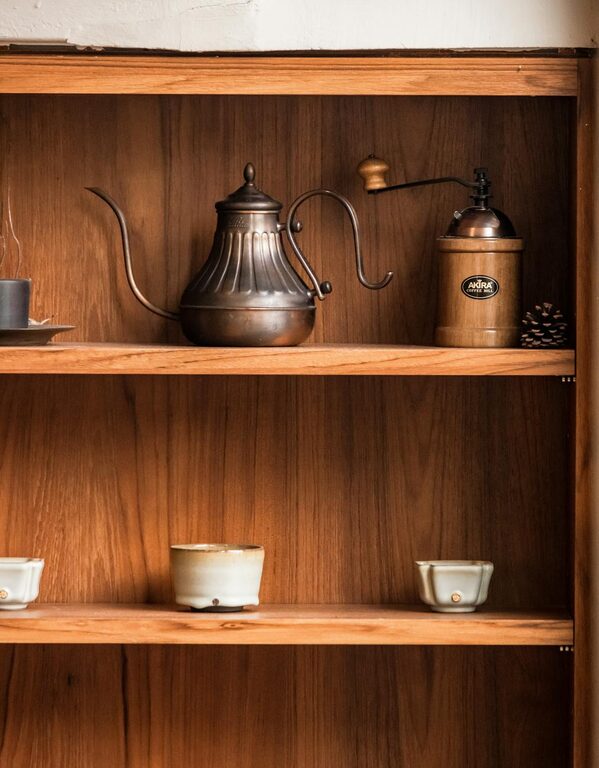
Creating a dedicated coffee station at home is a wonderful way to elevate your daily coffee routine. Whether you’re a casual sipper or an enthusiastic barista, having a personalized space for your coffee needs adds convenience, style, and a touch of comfort to your kitchen or living area.
In this post, we’ll guide you through the process of planning and setting up a coffee station, covering everything from selecting the right location to organizing your equipment and supplies.
Why Create a Coffee Station?
Before diving into the how-to, let’s explore why having a coffee station is a great idea:
– Convenience: Everything you need for your coffee is in one spot.
– Saves time: Streamline your morning routine.
– Organization: Avoid clutter spreading across your countertops.
– Style: Add a cozy, personalized touch to your space.
– Entertainment: Impress guests with a well-equipped coffee corner.
Step 1: Choose the Perfect Location
Finding the right place for your coffee station is the foundation of a successful setup.
Consider These Factors:
– Accessibility: Choose an area near a power outlet for coffee makers and grinders.
– Counter Space: Ensure there’s enough surface area for appliances and accessories.
– Lighting: Natural light adds warmth; if not possible, a small lamp can set the mood.
– Traffic Flow: Avoid blocking walkways or other essential kitchen areas.
Popular spots include kitchen counters, a small cart in the dining area, or even a corner shelf in the living room.
Step 2: Gather Essential Equipment
Depending on your preferred brewing method, your coffee station will need specific tools. Here’s a list of basics to consider:
– Coffee Maker: Drip coffee maker, espresso machine, French press, or pour-over setup.
– Coffee Grinder: Burr or blade grinder for fresh grounds.
– Kettle: Electric or stovetop, especially if you enjoy pour-over or French press.
– Measuring Tools: Scoops, digital scales.
– Mugs and Glassware: Choose your favorite styles and sizes.
– Storage Containers: Airtight jars for coffee beans, sugar, and other ingredients.
Optional Extras:
– Milk frother for lattes and cappuccinos.
– Small refrigerator for milk and cream.
– Tray or coaster set.
– Stir sticks or spoons.
– Flavor syrups and spices.
Step 3: Organize Smartly
Organization keeps your station tidy and enhances the experience.
Tips for Organization:
– Use Trays or Baskets: Group smaller items like syrups and spoons together.
– Label Containers: Helps identify contents quickly and looks neat.
– Vertical Space: Install shelves above your station for mugs or coffee beans.
– Hooks or Racks: Hang mugs or utensils to save counter space.
– Keep Frequently Used Items Accessible: Place daily essentials within easy reach.
Step 4: Add Personal Touches
Design your coffee station to be inviting and reflect your personality.
– Decorate: Add plants, artwork, or themed signs.
– Color Scheme: Match or complement your kitchen colors.
– Lighting: Fairy lights, LED strips, or small lamps create ambiance.
– Seasonal Elements: Swap out decorations or flavors to keep it fresh.
Step 5: Maintain Your Coffee Station
To keep your station functional and enjoyable:
– Clean equipment regularly.
– Refill supplies as needed.
– Rotate or update decorations.
– Declutter periodically.
Bonus: Coffee Station Layout Ideas
Here are a few ideas depending on your space:
– Compact Cart: A rolling cart with multiple shelves that can be moved and stored as needed.
– Counter Corner: Use a corner countertop area with tiered shelves.
– Wall-mounted Shelf: Floating shelves with hooks beneath for mugs.
– Bar Cart Style: Combine storage and serving space with a decorative cart.
Final Thoughts
A home coffee station is more than just a setup — it’s a mini retreat that adds pleasure to your daily routine. Start small, personalize, and enjoy your perfect cup made just the way you like it.
Whether you prefer a simple drip coffee maker or a full espresso machine, creating your coffee station will inspire relaxation, creativity, and great taste every day. Happy brewing!